+8618862309186
Leave Your Message
-
CONTACT NUMBER
-
 CONTACT NUMBER
-
 CONTACT NUMBER
-
 CONTACT NUMBER
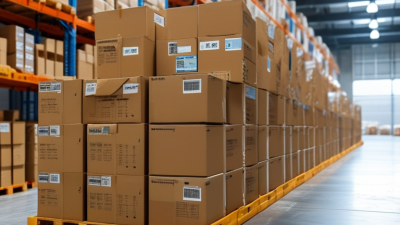
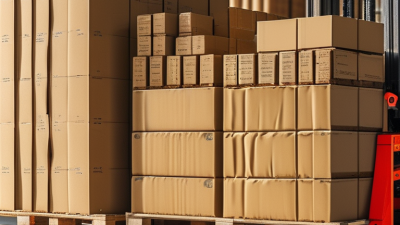
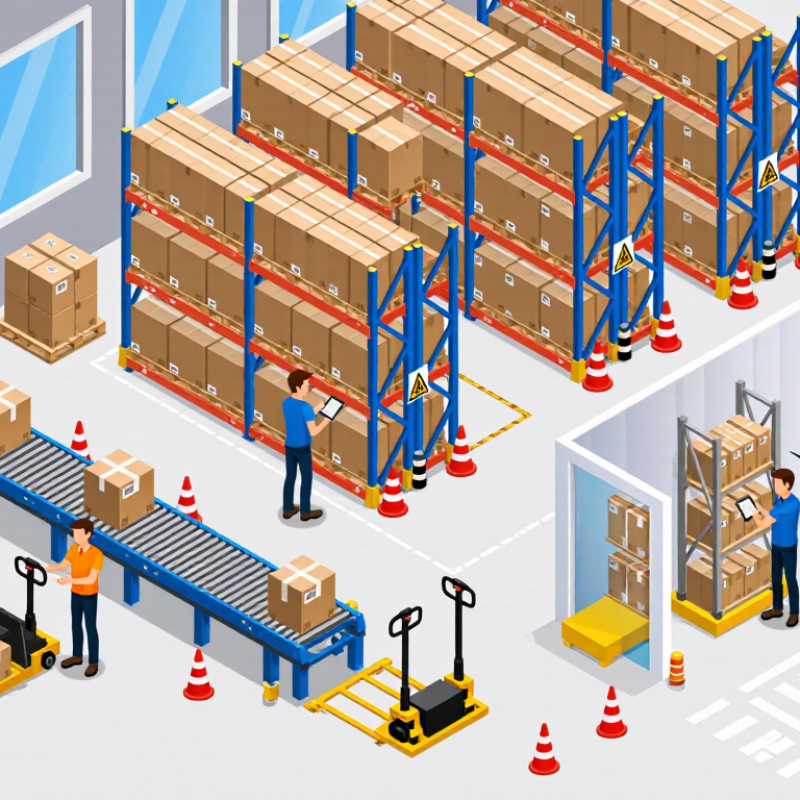
The Warehouse Storage Process is the practical path goods follow after arrival and before dispatch. It includes receiving, checking, labeling, put-away, storage, replenishment, picking, and cycle counting. Each stage protects product quality while keeping inventory visible and accessible.
Gwynne Richards, a recognized warehouse management author, writes, “Warehouses are no longer simply places where goods are stored.” His observation reflects modern operations. A warehouse now connects purchasing, inventory control, order fulfillment, transport, and customer service. A well-designed process begins at the receiving dock, where staff compare cartons with purchase records. They inspect packaging, record quantities, and identify damage before products move inward.
Location decisions matter. Fast-moving items usually need shorter travel paths. Heavy cartons belong on lower levels. Fragile products need stable, clearly marked positions. Barcode scans can reduce manual errors, but technology cannot replace thoughtful supervision. A misplaced label still creates trouble.
Reliable storage also depends on clean aisles, accurate stock records, safe stacking, and regular inventory checks. Cycle counting may reveal a small mismatch before it becomes a costly shortage. Temperature-sensitive goods require closer monitoring, especially during busy periods. The process sounds orderly, yet real warehouses are rarely perfect. Late arrivals, unclear instructions, and rushed decisions can interrupt even strong systems. That weakness deserves attention.
This guide explains how the Warehouse Storage Process works, why each stage matters, and where practical improvements can begin. It focuses on clear controls, measurable performance, and realistic daily experience. The goal is not perfection. It is dependable movement, safer handling, and better inventory accuracy.
What Is the Warehouse Storage Process?
Receiving and inspecting goods is the warehouse’s first quality control point. In practice, staff should match the purchase order, delivery note, carton count, and item labels before unloading. They should also record arrival time, supplier details, batch numbers, and visible damage. A 2023 warehousing industry study reported that 76% of warehouse decision-makers planned to increase technology investment within five years. This reflects a clear need for faster and more accurate receiving records.
Inspectors should photograph crushed cartons, broken seals, moisture, and incorrect labels. They should check quantity, product description, packaging condition, and required temperature. A barcode scan helps, but it is not proof of perfect quality. Human judgment still matters. The 2024 MHI Annual Industry Report identified inventory and network optimization as major technology priorities for supply-chain leaders. Even so, technology can repeat a mistake quickly. A wrong master record creates many wrong storage decisions.
Tips: Create a marked inspection area near the receiving dock. Separate accepted, damaged, and unverified goods immediately. Use a simple exception code, such as “short,” “wet,” or “wrong item.” Ask two employees to verify high-value or fragile shipments. Keep photo evidence with the receiving record. Do not rush the count. That small shortcut can become an inventory discrepancy later. Review rejected deliveries weekly, because repeated packaging damage may indicate a deeper handling or transport problem.
| Process Stage | Main Activity | Key Data to Record | Inspection or Control Point | Typical Output | Recommended Handling Time |
|---|---|---|---|---|---|
| 1. Delivery Scheduling | Book an arrival slot and collect shipment information before the vehicle reaches the warehouse. | Purchase order number, expected arrival date, carrier details, pallet count, product type, and special handling requirements. | Confirm that the delivery matches an approved order and that unloading capacity is available. | Scheduled inbound delivery. | Before vehicle arrival |
| 2. Vehicle Check-In | Register the vehicle and direct it to the assigned unloading area. | Arrival time, vehicle identification, seal number when applicable, dock assignment, and driver documentation. | Check for visible vehicle damage, broken seals, water entry, pests, unusual odors, or unsafe conditions. | Inbound receipt opened. | 5–15 minutes |
| 3. Unloading | Unload cartons, pallets, containers, or loose items using suitable material-handling equipment. | Unloaded quantity, pallet condition, carton count, unloading start and finish times, and handling equipment used. | Keep goods separated by shipment and prevent crushing, moisture exposure, contamination, or mix-ups. | Goods placed in the receiving area. | 15–60 minutes, depending on load size |
| 4. Document Verification | Compare the shipment against the purchase order, packing list, delivery note, and applicable regulatory documents. | Item code, description, ordered quantity, delivered quantity, unit of measure, batch or lot number, and expiration date. | Identify overages, shortages, substitutions, missing documents, or incorrect product information. | Documented quantity comparison. | 10–30 minutes |
| 5. Quantity Inspection | Count units, cartons, cases, or pallets and verify the quantities against the approved documents. | Expected quantity, received quantity, variance quantity, variance percentage, and counting method. | Recount discrepancies and use weighing or scanning equipment when the product or packaging requires it. | Accepted, short, or excess quantity status. | 10–45 minutes |
| 6. Quality and Condition Inspection | Inspect packaging and, when required, sample the goods for visible quality or specification checks. | Inspection date, inspector, sample size, damage type, product condition, temperature where relevant, and test results. | Check for damage, contamination, incorrect labeling, expired goods, missing components, and temperature deviations. | Accepted, conditionally accepted, or rejected goods. | 15–60 minutes or longer for laboratory testing |
| 7. Identification and Labeling | Apply or verify labels that support traceability, inventory control, and storage requirements. | Item identifier, lot or batch number, serial number when applicable, quantity, receipt date, expiration date, and storage condition. | Ensure labels are readable, accurate, securely attached, and consistent with the warehouse records. | Traceable inventory unit. | 5–20 minutes |
| 8. Discrepancy Handling | Record and investigate shortages, overages, damage, quality failures, or documentation errors. | Discrepancy type, affected quantity, photographs, inspection notes, responsible party, corrective action, and approval status. | Place questionable goods in a clearly marked quarantine area until an authorized decision is made. | Corrective action, return request, or release approval. | Same day when possible |
| 9. Goods Receipt Posting | Update the inventory record after the physical and document checks are complete. | Receipt number, accepted quantity, rejected quantity, inventory status, lot or serial details, and posting timestamp. | Confirm that system quantities and physical quantities agree before goods are made available for use or shipment. | Accurate available or restricted inventory balance. | 5–15 minutes |
| 10. Put-Away Planning | Assign storage locations based on product characteristics, demand, compatibility, and available capacity. | Storage location, product velocity, size and weight, handling class, temperature requirement, and put-away priority. | Keep incompatible goods separated and maintain required clearance, load limits, and environmental conditions. | Directed put-away task. | 10–30 minutes |
| 11. Storage and Location Confirmation | Move accepted goods to the assigned location and confirm the final storage position. | Source location, destination location, moved quantity, operator, equipment, completion time, and exception notes. | Verify that the physical location, system location, product identity, and quantity match. | Goods available for picking or controlled storage. | 15–60 minutes |
| 12. Receiving Performance Review | Review receiving results to identify delays, errors, damage patterns, and process improvement opportunities. | Dock-to-stock time, receiving accuracy, damage rate, discrepancy rate, inspection completion rate, and put-away completion rate. | Compare actual results with internal service levels and investigate recurring exceptions. | Corrective and preventive action plan. | Daily or weekly review |