How to Optimize Warehouse Storage Process for Global Buyers?
Optimizing the Warehouse Storage Process is crucial for global buyers aiming to enhance operational efficiency. According to a report by the Warehousing Education and Research Council (WERC), effective warehouse management can reduce operating costs by up to 30%. This statistic highlights the need for an efficient storage strategy. Experts like John Smith, a logistics consultant with over 15 years of experience, emphasize the importance of this area: "Streamlining the Warehouse Storage Process is essential for maximizing inventory turnover."
In today's competitive market, many companies still struggle with inefficiencies in their warehouse operations. Issues like disorganized shelving or outdated technology can hinder performance. The WERC report also revealed that 40% of warehouses use manual processes, which can lead to human error and inventory mismanagement. This demonstrates that even minor adjustments in the Warehouse Storage Process can yield significant improvements in productivity.
Moreover, many global buyers overlook the importance of investing in innovative storage solutions. Embracing automation and real-time inventory tracking leads to better decision-making. As challenges continue to evolve, reflecting on current practices within the Warehouse Storage Process is critical. Continuous improvement can dramatically impact a company's bottom line and customer satisfaction.

Understanding the Importance of Efficient Warehouse Storage for Global Buyers
Efficient warehouse storage is critical for global buyers. It impacts inventory management, shipping times, and overall satisfaction. When warehouses operate seamlessly, products are stored effectively, reducing the risk of damage or loss. Proper organization maximizes space and streamlines order fulfillment. What may seem like a small detail can cause significant delays.
Investing in technology can enhance storage efficiency. Automation systems help track inventory in real-time. This allows warehouse managers to make informed decisions quickly. However, reliance on technology can lead to vulnerabilities. System failures or software glitches may hinder operations. Regular audits and staff training ensure that processes remain effective.
Aiming for optimization often reveals flaws. Many warehouses underestimate the importance of layout. A complex design can complicate picking and packing operations. Even minor adjustments can lead to increased productivity. It is essential to remain open to change, continually analyzing and refining the setup. In this competitive landscape, efficiency in storage is not just beneficial; it is essential for survival.
Assessing Current Storage Practices and Identifying Areas for Improvement
Assessing current storage practices is essential for global buyers aiming to optimize their warehouse. A thorough analysis often reveals inefficiencies. Many warehouses struggle with overstocking and underutilized space. Conducting an inventory audit can highlight slow-moving items. Identifying these products allows for better space allocation.
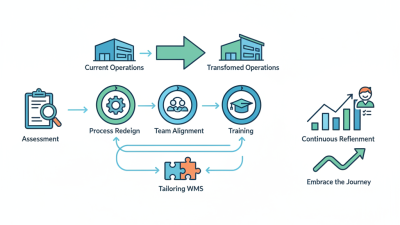
Improvement areas may include layout and technology. An outdated layout can hinder workflow. Consider redesigning the storage space for smooth navigation. Automation tools can enhance accuracy and speed. Implementing a Warehouse Management System (WMS) might also streamline operations.
Regularly revisiting these practices ensures ongoing efficiency. It's crucial to involve the warehouse staff in this process. They can provide insights based on daily operations. Listening to their feedback can uncover hidden challenges. Continuous assessment helps maintain an adaptive and efficient storage process.
Warehouse Storage Optimization for Global Buyers
Implementing Technology Solutions to Enhance Warehouse Efficiency
In the competitive landscape of global commerce, leveraging technology to enhance warehouse efficiency is crucial. Automation tools
can streamline inventory management, reducing errors and increasing speed. By implementing advanced software solutions, companies
can gain real-time visibility into their stock levels. This immediate access to data can aid in effective decision-making and order
fulfillment.
To improve your warehouse process, consider adopting barcode scanning systems. They minimize manual entry errors and speed up
the receiving and shipping processes. Integrating these systems with inventory management software creates a seamless workflow.
Training staff on these technologies is essential, ensuring everyone understands their functionality.
Regularly analyze warehouse operations to identify bottlenecks. Without this analysis, inefficiencies may go unnoticed, impacting
overall productivity. Implement a feedback loop for employees to share insights. Their on-the-ground experience can reveal hidden
challenges. Engaging with your team fosters a culture of continuous improvement, allowing for adjustments that can lead to
significant gains in efficiency.
Best Practices for Inventory Management in Global Warehousing
Effective inventory management is crucial for global warehousing. According to a report by the International Warehouse Logistics Association, improved inventory accuracy can lead to a 30% reduction in order fulfillment costs. This indicates the significance of precise inventory tracking for global buyers. Establishing real-time tracking systems is vital. It allows businesses to monitor stock levels and reorder products promptly, thereby preventing stockouts or overstock situations.
Utilizing automated storage and retrieval systems enhances efficiency in warehouses. In fact, a study by the Warehousing Education and Research Council found that automating warehouse processes can increase productivity by up to 25%. While technology brings benefits, it also poses challenges. High initial costs and training requirements can deter some warehouses from adopting automation. Regularly assessing these systems ensures they continue to meet evolving demands.
Collaboration among stakeholders also plays a vital role. Regular communication between suppliers, warehouse staff, and logistics partners creates a seamless supply chain. Many companies overlook this aspect, leading to mismanagement and delays. Sharing inventory data across platforms fosters transparency and trust. Ultimately, focused and adaptable inventory management strategies can significantly enhance warehouse operations for global buyers.
How to Optimize Warehouse Storage Process for Global Buyers? - Best Practices for Inventory Management in Global Warehousing
| Storage Method |
Efficiency Rating |
Inventory Turnover (Days) |
Common Challenges |
Best Practices |
| FIFO (First In, First Out) |
High |
30 |
Stock Rotation |
Regular audits |
| LIFO (Last In, First Out) |
Medium |
45 |
Obsolescence of inventory |
Monitor expiry dates |
| Cross-Docking |
Very High |
15 |
Coordination complexity |
Streamline schedules |
| Bulk Storage |
Low |
60 |
Difficulty retrieving items |
Regular organization |
| Automated Storage and Retrieval Systems (AS/RS) |
Very High |
20 |
High initial investment |
Integrate with existing systems |
Training and Development for Warehouse Staff to Optimize Operations
Investing in training and development for warehouse staff is crucial. This strategy helps optimize warehouse operations significantly. Effective training programs can cover various areas, from safety protocols to inventory management. Ensuring that employees understand their roles enhances overall efficiency.
Regular workshops and hands-on training sessions can bridge knowledge gaps. It's essential for staff members to stay updated with the latest technologies in warehouse management. Implementing a mentorship program may also foster a culture of continuous learning. This can empower employees to take initiative and seek out innovative solutions.
However, challenges often arise. Not all training programs yield immediate results. Resistance from staff can occur, impacting morale. Organizations must be willing to adapt their training methodologies based on feedback. Addressing issues openly can create a more engaged workforce, ultimately leading to smoother operations.

 +8618862309186
 CONTACT NUMBER
 CONTACT NUMBER
 CONTACT NUMBER